
auto care plus logo
Schedule Service

Services

Vehicle Pre-Purchase Inspection

The best time to find out a used car has a bad head gasket is before you buy it. Auto Care Plus performs thorough pre-purchase inspections at our NH, MA & ME locations — a complete mechanical, structural, and diagnostic evaluation with photos and a written report. It is the cheapest insurance in car buying, and it gives you real leverage at the negotiating table.

Schedule Service Now

What’s Included:

  • Comprehensive, multi-point inspection
  • Includes NH/ME state inspection sticker
  • Performed by ASE-certified master technicians
  • We service all makes and models
  • Same-day service

Is there a costly repair hiding under the hood of that used vehicle you’re considering purchasing?

Why Get a Pre-Purchase Inspection?

Many potential problems aren’t apparent until they’re placed on a lift. Others require special diagnostic equipment or procedures. And some aren’t visible except to the eyes of an experienced, trained technician. Our pre-purchase inspection service will give you peace of mind to enjoy your new vehicle with confidence.

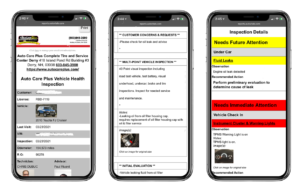
The inspection will be documented with photos sent to your phone and every service is performed by an automotive expert!

This allows us to photograph any concerns requiring immediate discussion and text or email photos and descriptions right to your phone. Don’t forget, WE SELL USED CARS AT AUTO CARE PLUS TOO! Check out our inventory at https://cars.autocareplus.com/ 
Frequently Asked Questions

What does a pre-purchase inspection include?

It is a comprehensive mechanical and structural evaluation: a road test, a full lift inspection, a scan of every computer module, fluid and leak inspection, measured brake and tire wear, suspension and steering evaluation, rust and collision-damage assessment, and a photo-documented written report of everything we find.

Is a pre-purchase inspection worth the money?

The math is not subtle. A pre-purchase inspection costs a fraction of a single significant repair, and it routinely finds problems worth thousands. Even when the car checks out clean, you get a prioritized list of upcoming maintenance and real, documented leverage on price.

How long does an inspection take?

Plan on about an hour to ninety minutes for a thorough inspection. It is worth scheduling in advance so we can give the vehicle the time it deserves.

What if the seller won't let me get it inspected?

That is the most useful piece of information you will get all day. A seller with nothing to hide has no reason to refuse an independent inspection. If they will not allow one, walk away — no exceptions.

Can you tell if a car has been in an accident?

Often, yes. We look for mismatched paint and texture, overspray on trim and seals, inconsistent panel gaps, replaced or non-factory fasteners, kinked or repaired frame rails, and welds that do not match factory work. Not every accident is disclosed on a history report.

Does a clean vehicle history report mean the car is fine?

Not necessarily. History reports only show what was reported to them. Accidents repaired privately, flood damage that never went through insurance, and mechanical neglect leave no trace on a report at all. A physical inspection sees what a report cannot.

What should I look for on a New England used car?

Rust is the big one — inspect the frame rails, rocker panels, brake and fuel lines, subframe mounts, and suspension mounting points carefully. A car that looks pristine on top can be structurally compromised underneath. We put every vehicle on a lift for exactly that reason.

Signs you need this service:

  • You are considering buying a used vehicle
  • The seller's price seems too good to be true
  • Vehicle history report shows an accident or gaps in service
  • You are buying from a private seller
  • You are buying a vehicle sight-unseen or from out of state
  • You want negotiating leverage on price
  • The vehicle is out of warranty
  • You want to know what maintenance is coming due

Our process:

  • Discuss the vehicle and what specifically concerns you about it
  • Perform a comprehensive road test evaluating engine, transmission, brakes, steering, and noise
  • Lift the vehicle and inspect the frame, subframe, and underbody for rust and accident damage
  • Scan every module for stored, pending, and history codes and check readiness monitors
  • Inspect the engine and transmission for leaks, and check fluid condition
  • Evaluate brakes, tires, suspension, steering, and exhaust with measurements
  • Check for evidence of prior collision repair, overspray, and panel gaps
  • Inspect the cooling system, belts, hoses, and battery
  • Photograph every finding and compile a written report
  • Review the report with you and estimate the cost of any needed repairs

Learn more: