Click here for an update on NH state inspections
auto care plus logo
Schedule Service

Services

Brake Service & Repair

Brakes are the most important safety system on your vehicle, and the one that gives you the clearest warning before it fails — if you know what to listen for. Auto Care Plus provides complete brake inspection, pad and rotor replacement, caliper service, brake fluid exchange, and ABS diagnostics across our New England shops. Quality parts, measured to specification, with photos of everything we find.

Schedule Service Now

Brakes

A series of components working together that exert pressure to slow or stop a vehicle.

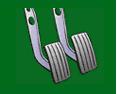
  • The brake pedal pushes a rod that actuates the master cylinder.
  • The master cylinder distributes the hydraulic braking power to the brake calipers/cylinders that push the pistons in the cylinders.
  • The pistons push the brake pads or shoes against the brake rotors or brake drums (attached to your wheel), which STOPS THE CAR.

Anti Lock Brakes (ABS)

A series of components working together that exert pressure to slow or stop a vehicle.

  • The brake pedal pushes a rod that actuates the master cylinder.
  • The master cylinder distributes the hydraulic braking power to the brake calipers/cylinders that push the pistons in the cylinders.
  • The pistons push the brake pads or shoes against the brake rotors or brake drums (attached to your wheel), which STOPS THE CAR.

Brake Fluid Flush

Flushing your brake fluid every two years is a great habit. Poor brake fluid can adversely affect braking performance — you don’t want to realize your brake fluid is bad the hard way. Flushing the brakes removes the old fluid from the entire system, including the master reservoir. (Most cars today should use DOT 4 brake fluid.)

Brake Warning Signs

SQUEAL
Some braking noise is normal, but it should be minimal. The brakes need attention if you hear excessive squealing.

VIBRATION

If the brake pedal or steering wheel shakes or vibrates, or if the vehicle shakes when the brakes are applied, it may be due to:

  • disc brake rotors in need of resurfacing
  • a loose component
  • a faulty steering mechanism

GRAB

If vehicle brakes grab at the slightest pressure, it could be:

  • a problem with grease-or oil-contaminated linings
  • a loose or broken component that could fail in an emergency

PULL

If the vehicle pulls to the side when braking, it could be due to:

  • an under-inflated tire
  • brakes in need of adjustment
  • brakes requiring repair

DRAG

If the vehicle has sticking brakes, hot wheels or loss of engine power, it could be due to brakes that fail to release. This is a situation that can suddenly reverse itself, leaving the vehicle without brakes.

Replacing Brake Pads

Replacing Brake Rotors

Frequently Asked Questions

How often should brakes be replaced?

Brake pads typically last 30,000 to 70,000 miles, but that range is wide because it depends almost entirely on how and where you drive. Stop-and-go traffic, hills, towing, and aggressive braking all shorten pad life. We measure pad thickness at every service so you always know where you stand.

What does brake squealing actually mean?

Many pads have a built-in wear indicator — a small metal tab designed to squeal when the pad gets thin. That is your early warning and the right time to come in. Squealing can also come from glazed pads, missing hardware lubrication, or debris. Grinding, on the other hand, means the pad is gone and you are damaging the rotor.

Do I need new rotors every time I get new pads?

No. If the rotors are above the manufacturer's minimum thickness, are within runout specification, and have a good surface, they can be resurfaced or reused. We measure them and tell you what they actually need. That said, many modern rotors are thin enough from the factory that replacement is the correct call.

How often should brake fluid be changed?

Most manufacturers recommend every two to three years. Brake fluid is hygroscopic — it absorbs moisture from the air — and moisture lowers the boiling point and causes internal corrosion in the ABS unit and calipers. This is especially important in a wet, salted climate.

Why does my steering wheel shake when I brake?

A pulsation or shake felt through the steering wheel while braking is usually rotor thickness variation or runout, often caused by uneven pad deposits or a warped rotor. Resurfacing or replacing the rotors, along with a proper bedding-in procedure, corrects it.

Is it safe to drive with grinding brakes?

No. Grinding means the friction material is completely gone and the metal backing plate is cutting into your rotor. Stopping distances increase, the rotor is being destroyed, and a caliper can be damaged next. Get it in immediately — this is the point where a routine brake job turns expensive.

Why are my brakes rusty after sitting a few days?

A thin layer of surface rust forms on rotors overnight, especially in humid or salty conditions, and it wipes off within the first few stops. That is completely normal. Rust that is heavily pitted or does not wipe clean is a different matter and worth having us look at.

Signs you need this service:

  • Squealing or squeaking when braking
  • Grinding or metal-on-metal sound when braking
  • Brake pedal feels soft, spongy, or goes to the floor
  • Vehicle pulls to one side when braking
  • Steering wheel or pedal pulsates or vibrates when braking
  • Longer stopping distances
  • Brake or ABS warning light on the dash
  • Burning smell after braking
  • Brake fluid leak or low fluid level
  • Grinding or dragging even when not braking

Our process:

  • Road test to evaluate pedal feel, stopping performance, and pull
  • Remove all four wheels for a full brake inspection
  • Measure pad thickness and rotor thickness against manufacturer specifications
  • Inspect calipers, slide pins, hardware, hoses, and brake lines
  • Check brake fluid level and test moisture content
  • Scan for ABS codes if a warning light is present
  • Document everything with photos and provide a written estimate
  • Replace pads and resurface or replace rotors as measurements dictate
  • Clean, lubricate, and service caliper slides and hardware
  • Bleed the brake system and exchange fluid where needed
  • Perform a careful bedding-in procedure and road test to confirm proper braking

Learn more: