Why Are Oil Changes Important?
Oil changes are crucial for maintaining your vehicle’s health and performance for several reasons:
- Lubrication: Oil acts as a lubricant for the engine’s moving parts, reducing friction and preventing metal-on-metal contact. It ensures that the engine components, such as pistons, bearings, and camshafts, can move smoothly and efficiently. Adequate lubrication helps minimize wear and tear, extending the lifespan of your engine.
- Heat regulation: Engine operation generates significant heat. Oil helps regulate and dissipate this heat by absorbing and carrying it away from critical components. Over time, oil can become contaminated and lose its ability to dissipate heat effectively. Regular oil changes ensure that fresh, clean oil is in place to keep the engine operating at the optimal temperature range, preventing overheating and potential damage.
- Cleaning: As oil circulates through the engine, it picks up dirt, debris, and contaminants, including metal particles, sludge, and combustion byproducts. Over time, these contaminants can accumulate and form deposits that hinder engine performance and efficiency. Fresh oil contains detergents and additives that help clean the engine by suspending and removing these harmful particles, preventing buildup and maintaining engine cleanliness.
- Seal protection: Oil creates a thin film that coats and protects the engine’s seals and gaskets. This film helps prevent leaks by maintaining their flexibility and preventing them from drying out or cracking. Regular oil changes ensure that the seals and gaskets stay in good condition, minimizing the risk of oil leaks and potential engine damage.
- Fuel efficiency: Clean and properly lubricated engine components work more efficiently, reducing friction and resistance. As a result, the engine doesn’t have to work as hard to function, leading to improved fuel efficiency. Regular oil changes contribute to maintaining optimal engine performance and better mileage.
- Engine longevity: The combination of proper lubrication, temperature regulation, cleaning, and seal protection provided by regular oil changes helps extend the life of your engine. Well-maintained engines are less likely to experience major breakdowns and costly repairs, allowing your vehicle to serve you reliably for a longer time.
The Best Oil Change In New England!
More than just an oil change. We perform a comprehensive peace of mind inspection on your vehicle at all 9 locations.
- Change oil and oil filter
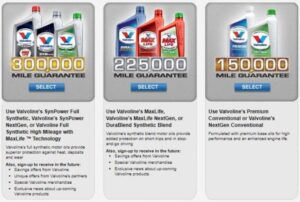
- Using synthetic blend or full synthetic Valvoline motor oil
- Lubricate chassis and check all fluids
- Bumper to bumper vehicle inspection that includes:
- Digital Inspection, with photos, sent to your phone
- Battery Test
- Test antifreeze protection
- Set tire pressure and check tire condition
- Visual Brake Inspection
- And much more!
The inspection will be documented with photos sent to your phone and every service is performed by an automotive expert!
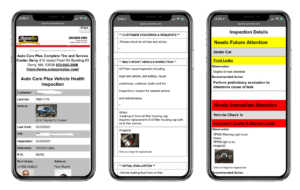
This allows us to photograph any concerns requiring immediate discussion and text or email photos and descriptions right to your phone.
If you have 125,000 miles or less,
register for Valvoline’s free, no hassle engine guarantee program. You can get up to 300,000 miles of guaranteed engine life and can sign-up for future savings from Valvoline and Auto Care Plus. Click here to register!
Better Safe than Sorry
Why should I leave my car at a full-service repair shop to get my oil changed, when I can get it done while I wait?
The best thing for your pocketbook and for the well-being of your vehicle is to take your car to a reliable shop to get the oil changed. Leaving (yes leaving) your vehicle for an oil change gives the shop time to test drive and perform a thorough visual inspection of your vehicle to spot issues before they become big costly repairs leaving you stranded on the side of the road.
You should have your oil changed every 4,000 – 5,000 miles or 4-6 months, these are opportunities for a qualified mechanic to peek over your car’s major vital parts. Oil change ads in the newspaper are loss leaders anyway, so don’t think you are going to get your oil changed and be out of there for $12.95.
I will bet they’ll find something to sell you. How many times have you been offered engine flushes, transmission flushes, cooling system flushes, air filters, etc., only to leave the “quick oil change” facility with a $300.00 bill!! Those newspaper ads cost a lot of money to print, and there is no profit in an oil change for $25–let alone $12. I would rather pay a little over a period of time to a qualified, honest, mechanic for proper maintenance than one large sum for drastic last minute repairs due to neglect and oversight. If the shop that you trust tells you to replace a tire, don’t wait! Have them replace it and be done with it.
Shops use a term called PM (preventive maintenance). PM can consist of many things. First and foremost is changing the oil and filter and lubrication of the undercarriage, rotation of tires, inspection of brakes, belts, hoses and testing antifreeze protection and battery health, and a thorough road test are the basics which usually take an hour or so…NOT 9 minutes. Wreckers tow numerous vehicles in because they won’t start, and the major cause is loose or dirty battery terminals or a weak battery. This can all be prevented by taking your car to a professional shop with ASE Trained Master Technicians like Auto Care Plus.
Also, don’t classify all mechanics as the same. A mechanic is only as good as his capability will allow him to be. Would you rather be inconvenienced a few hours every 3-4 months taking your car into a full-service repair shop, or hassled every 6-8 months because something that should have been caught during a quickie oil change broke on the way out of town with the kids in the car?
Believe me, it will cost you much more than cleaning the battery terminals. Do you go to the express doctor or dentist? The people who know what they are doing take longer in their diagnosis, and usually charge more than the others, but isn’t it worth it? Take a deep breath, I know it’s just an oil change, but it could be much more. Remember, like most things in life… “You do get what you pay for”.